카테고리 보관물: AI Posting

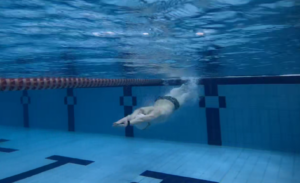
[KR]How to improve my swimming

🏊‍♂️ 자유형/접영 25m, 50m 단거리 대쉬 공략법: 실전 긴장증 극복과 접영 타이밍 완벽 교정

안녕하세요, 수영인 여러분!

수영 대회 출발대(스타트 블록)에 올라섰을 때의 그 기분, 다들 아시죠? 출발 신호음이 울리는 순간 아드레날린이 뿜어져 나오면서 뇌는 순식간에 ‘비상 생존 모드’로 돌입합니다. 연습 때 그렇게 공들여 연습했던 ‘하이엘보 캐치’나 ‘부드러운 글라이딩’은 온데간데없고, 양팔은 물레방아처럼 돌기 시작하죠. 무호흡으로 가겠다는 다짐은 무너지고, 결국 터치패드를 몇 미터 남겨두고 호흡이 터져 퍼져버린 경험, 한 번쯤 있으실 겁니다.

제가 바로 그랬습니다. 최근 단수로(25m) 대회와 장수로(50m) 대회를 연달아 출전했는데요. 감사하게도 접영 25m에서 2년 전 기록을 1.49초나 단축하며 16초대($16.86s$) 진입에 성공했습니다! 처음 도전한 공식 자유형 25m도 $15.56s$라는 의미 있는 첫 기준점을 세웠고요.

하지만 기록 단축의 기쁨도 잠시, 레이스를 냉정하게 분석해 보니 고질적인 문제가 보였습니다. “극도의 긴장 상황에서 내 몸이 무의식적으로 비효율적인 옛날 버릇을 출력한다”는 점이었죠.

자유형 대쉬 때는 연습했던 숏 피치 리듬을 잃어버렸고, 접영에서는 마음이 급해져 스트로크 타이밍이 꼬이는 바람에 50m 장수로 마지막 15m를 남겨두고 완전히 퍼져버렸습니다. 주변 동료들은 “무호흡으로 가는데도 상체와 고개가 과도하게 들려 숨을 쉬는 것처럼 보였다”, “스트로크가 너무 급해 보였다”는 피드백을 주더군요.

왜 실전만 나가면 몸이 내 마음대로 움직이지 않을까요? 뇌과학과 스포츠 역학 관점에서 원인을 진단하고, 이를 완전히 뜯어고칠 수 있는 과학적인 훈련 방법을 공유합니다!

1단계: 왜 실전만 가면 ‘급한 헛손질’이 나올까? (뇌과학적 원인)

연습 때는 잘되던 동작이 시합 때 망가지는 이유는 우리 뇌의 ‘편도체(공포와 긴장을 담당하는 구역)’ 때문입니다. 시합의 중압감이 정점에 달하면 편도체가 이성을 담당하는 대뇌피질을 장악합니다. 이때 우리 신경계는 이 레이스를 ‘기술적 수행’이 아니라 목숨이 걸린 ‘생존 경쟁’으로 받아들입니다.

  • 자유형에서의 오작동: 산소가 부족해질까 봐 뇌가 공포를 느끼고, 무의식적으로 고개를 들거나 호흡을 터트려 수평 스트라인을 깨버립니다.
  • 접영에서의 오작동: “물 밖으로 빨리 나가야 해!”라는 강박 때문에 출수킥(2비트 킥)이 제대로 끝나기도 전에 팔을 먼저 당겨버립니다. 킥과 팔의 타이밍이 엉키면 온전히 상체 힘으로만 몸을 띄워야 하므로 상체가 위아래로 심하게 흔들리고, 젖산이 급격히 쌓여 후반부에 퍼지게 됩니다.

이 무의식적인 버릇을 고치려면 말로만 “긴장 풀자”고 해서는 안 됩니다. 연습할 때 인위적으로 ‘스트레스 상황’을 연출해 뇌를 속여야 합니다.

2단계: 무의식적 버릇을 치료하는 핵심 드립(Drill)

긴장 상황에서도 부드럽고 빠른 피치를 유지할 수 있도록 근육 세포에 조건반사를 심어주는 훈련들입니다.

① 자유형: 피치 업 & 무호흡 제어 훈련

  • 심박수 강제 과부하(Stress-Induced) 시뮬레이션: 25m 대쉬를 출발하기 직전, 풀 사이드(데크)에서 제자리 높이 뛰기나 스쿼트를 20초간 폭발적으로 하여 심박수를 150bpm 이상으로 강제로 끌어올린 후 곧바로 입수하여 대쉬합니다. 실전의 숨 가쁜 긴장 상태를 뇌에 미리 경험시켜 오작동을 막는 훈련입니다.
  • 트리거 카운트 주입: 뇌에 ‘숨 참아야지’라는 추상적인 명령 대신, *”내 머릿속으로 스트로크 15번을 셀 때까지는 절대 고개를 돌리지 않는다”*처럼 구체적인 숫자 타깃을 주입하세요. 뇌는 구체적인 규칙이 있을 때 공포를 더 잘 제어합니다.

② 접영: 타이밍 매칭 & 상체 들림 방지 훈련

  • 글라이딩 락(Gliding Lock) 드립: 입수킥을 차고 머리와 가슴이 물속으로 들어갔을 때, 속으로 “원(One)!” 혹은 “탁!” 하고 반 박자를 강제로 쉰 뒤에 캐치(물잡이)를 시작합니다. 급해진 스트로크 속도를 물리적으로 제어하여, 출수킥의 추진력을 끝까지 이용하는 타이밍을 몸에 익힐 수 있습니다.
  • 밴드 묶고 패들 대쉬: 다리를 수영 밴드로 묶어 발차기를 완전히 제한한 상태에서 숏패들을 끼고 양팔 회전(피치) 속도만으로 25m를 주파합니다. 하체의 도움 없이 상체 피치로만 가야 하므로, 글라이딩을 길게 가져가면 몸이 가라앉습니다. 뇌가 ‘살기 위해’ 가장 빠르고 효율적인 상체 회전 감각을 강제로 학습하게 됩니다.

3단계: 장수로(50m) ‘후반 퍼짐 방지’를 위한 500m 훈련 프로그램

단수로(25m) 풀에서도 장수로의 극심한 피로도(마지막 15m 구간)를 인위적으로 재현하여 타이밍이 깨지지 않도록 버티는 고강도 루틴입니다. 주 2~3회 메인 세트에 적용해 보세요.

단계훈련 내용세트 및 휴식 시간훈련 목표
Warm-up한 팔 접영
(오른팔2, 왼팔2, 양팔2)
25m $\times$ 4
(30초 휴식)
입수킥 후 가슴 밀어주기(누르기) 감각 깨우기
Drill 1글라이딩 락 접영
(반 박자 쉬고 스트로크)
25m $\times$ 4
(45초 휴식)
급하게 당기는 버릇 치료, 킥과 풀의 타이밍 매칭
Drill 2다리 밴드 묶고 패들 대쉬25m $\times$ 4
(1분 휴식)
신경계 발달을 통한 상체 초고속 피치 구현
Main 1스트로크 횟수 제한 대쉬25m $\times$ 4
(1분 휴식)
25m를 가되 스트로크 횟수를 최대 8~9회로 제한. 길고 강하게 뻗어 나가는 힘 기르기.
Main 2장수로 시뮬레이션 (Short Rest)25m $\times$ 4
(칼같이 15초 휴식)
휴식 시간을 15초로 제한하여 50m 장수로의 후반 15m 지점의 극심한 피로도를 인위적으로 재현.
Cool-down배영 또는 평영 이지(Easy)50m $\times$ 1근육 내 젖산 제거

글을 마치며: 실전에서 기억해야 할 단 하나의 생각

단거리 대쉬의 핵심은 ‘팔을 얼마나 빨리 휘두르는가’가 아니라, ‘얼마나 저항을 적게 만들고 물을 길게 타는가’입니다.

다음 대회 출발대에 섰을 때는 무작정 “빨리 가야지!”라고 생각하지 마세요. 대신 뇌에 딱 하나의 구체적인 기계적 신호만 주입하는 겁니다.

“출수킥 소리가 나면 팔을 돌린다.”

“첫 스트로크(브레이크 아웃) 때 바닥만 본다.”

마인드를 컨트롤하고 리듬을 지배하는 순간, 터치패드에 찍히는 기록은 반드시 바뀝니다. 오늘도 레인에서 땀 흘리는 모든 수영인들을 응원합니다. 물속에서 뵙겠습니다!

How to improve my swimming

🏊‍♂️ Cracking the 25m/50m Sprint Code
Overcoming High-Anxiety Mistakes and Mastering Butterfly Timing

Hey fellow swimmers!

If you’ve ever stepped up to the blocks at a swim meet, you know the feeling. The buzzer sounds, adrenaline surges, and suddenly… your brain goes into survival mode. All those weeks of practicing smooth, controlled, high-elbow catches? Gone. Instead, your arms are spinning like a windmill, you’re gasping for air when you promised yourself you’d go breathless, and you find yourself completely gassed out just 15 meters away from the wall.

This exactly happened to me. Recently, I competed in both long-course (50m) and short-course (25m) sprint meets. The good news? I smashed my 2-year-old 25m Butterfly PR, dropping from 18.35s to 16.86s! I also clocked a solid $15.56s$ in my first-ever official 25m Freestyle.

But despite the PRs, my race analysis revealed a massive, recurring hurdle: High-stress situations trigger subconscious, inefficient habits.

In Freestyle sprints, my glide phase vanished and my stroke cadence became erratic. In Butterfly, my stroke got incredibly rushed, destroying my kick-and-pull coordination and causing me to completely burn out during the final 15 meters of the 50m long-course.

Here is a scientific, high-performance breakdown of why our bodies sabotage us under pressure—and how to rewire your brain and body for explosive, efficient sprint times.

Part 1: The Neuroscience of “Panic Stroking”

Why do we do things in a race that we never do in practice?

It all comes down to the amygdala—the brain’s fear center. When race anxiety peaks, the amygdala hijacks your prefrontal cortex (the rational, calculating part of your brain). Your nervous system treats the sprint as a “survival event” rather than a technical execution.

  • In Freestyle: Your brain panics about oxygen, forcing you to subconsciously look up or breathe, destroying your body alignment.
  • In Butterfly: Your brain demands you “get out of the water faster,” causing you to pull with your arms before the second kick (exit kick) finishes. This forces your upper body to lift vertically rather than drive horizontally, acting as a massive brake.

To fix a subconscious habit, you cannot just tell yourself to “calm down.” You have to train under engineered stress.

Part 2: Advanced Drills to Fix Your Freestyle & Butterfly Sprints

Here are the specific, science-backed protocols to rebuild your muscle memory so it holds up under competitive pressure.

1. For Freestyle Pitch Up & Breath Control

  • The Stress-Induced Simulation: Before starting a 25m sprint in practice, perform 20 seconds of explosive air squats or high-knees on the deck to spike your heart rate past 150 bpm. Jump in and sprint immediately. This trains your brain to maintain technical control while experiencing simulated race panic.
  • Trigger Interval Counts: Instead of a vague goal like “don’t breathe,” give your brain a hard metric. Tell yourself, “I will not turn my head until I count to 15 strokes.” Concrete numbers override panic-induced instinct.

2. For Butterfly Timing & Stamina

  • The “Gliding Lock” Drill: Enter the water on the first kick and force yourself to pause for a distinct half-second ($0.5s$) before initiating the catch. This artificial brake rewires your brain to wait for the chest-pressing propulsion, preventing rushed strokes.
  • Band-Locked Over-Speed Sets: Tie your ankles with a swim band and put on short hand paddles. Sprint 25m using only your upper-body cadence. Because you lack kick propulsion, you cannot afford a lazy, dragging glide. Your nervous system is forced to adapt to a hyper-fast, highly efficient upper-body turnover.

Part 3: The “Anti-Burnout” 500m Training Routine

Try this high-intensity protocol 2–3 times a week to bridge the gap between short-course speed and long-course endurance.

PhaseDrill / SetDistance & RestMain Objective
Warm-upSingle-Arm Butterfly
(2 Right, 2 Left, 2 Full)
25m $\times$ 4
(30s Rest)
Focus on chest compression and keeping the head low.
Drill 1“Gliding Lock” Fly
(Delayed Catch)
25m $\times$ 4
(45s Rest)
Fixes rushed stroking; recalibrates kick-to-pull rhythm.
Drill 2Band-Tied Paddle Dash25m $\times$ 4
(1min Rest)
Neuro-muscular adaptation for hyper-fast arm turnover.
Main 1Low-Stroke Count Dash25m $\times$ 4
(1min Rest)
Sprint 25m but cap your strokes at 8-9 max. Forces maximum distance per stroke (DPS).
Main 2LC Simulator (The Burnout)25m $\times$ 4
(Strict 15s Rest)
Cutting rest to 15s mimics the exact muscular fatigue of the final 15 meters of a 50m long-course pool.
CoolEasy Backstroke / Breaststroke50m $\times$ 1Lactic acid clearance.

Final Takeaway: Shift Your Focus

The secret to elite sprinting isn’t spinning your arms faster; it’s holding more water with fewer obstacles.

At your next meet, don’t stand on the blocks thinking, “I need to go fast.” Instead, give your brain a mechanical cue: “Listen for the sound of the exit kick before pulling,” or “Keep the eyes locked on the pool floor during the breakout.”

Control the rhythm, control the mind, and the PRs will follow.

See you in the fast lane!

How to fix unintentional changes to default browser settings

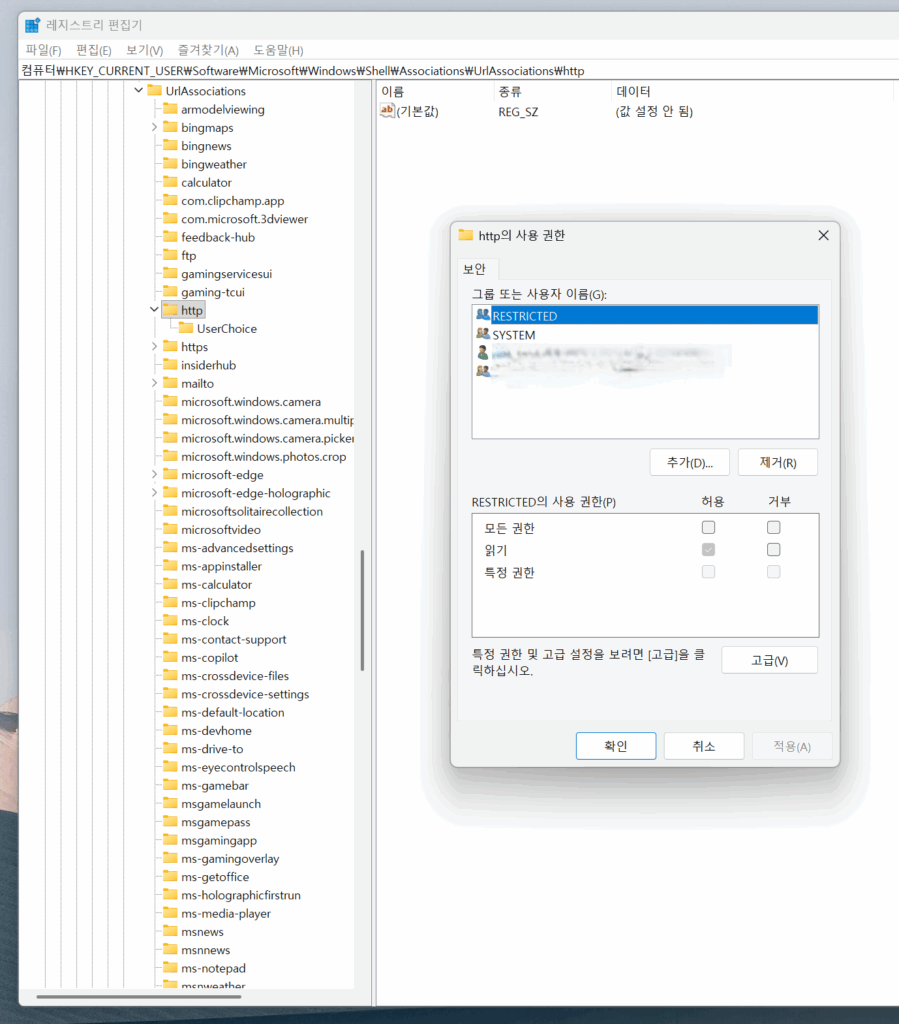
윈도우11에서 기본 브라우저를 크롬으로 해두는데 언젠가부터 컴퓨터를 재시작하면 엣지로 변경되는 일이 잦아짐. 윈도우에서 제공하는 앱 설정에서 변경을 해도 컴퓨터 재시작 하면 계속 해서 엣지로 변경, 도저히 참지 못해 구글링을 통해 찾아낸 글 중 레딧에서도 같은 증상을 토로하는 유저들이 많다는 걸 알았고 위 글에 보면 해결방법이 설명되어있음.

우선 위 글에 있는 설정을 적용했고 브라우저 기본설정이 다시 되돌아 가는지 확인해야겠음

VSCode Gemini-CLI 폰트 깨짐현상

VSCode 터미널에서 gemini cli를 실행하면 위 스크린샷과 같이 시작화면부터 깨지는 현상이 발생했다.
gemini 에게 물어보니 https://www.nerdfonts.com 에서 다음과 같은 폰트로 바꾸면 해결이 된다고 한다.
Hack Nerd Font
FiraCode Nerd Font
JetBrainsMono Nerd Font

Hack Nerd Font 를 적용한 뒤 모습

split window 에서 깨짐현상이 있는 점도 질문을 했었는데, vscode 에디터 글꼴을 Hack Nerd Font 로 바꾼후에는 발생하지 않은 걸로 보아서 글꼴 문제가 확실한 것 같다.

자세한 내용은 다음 gemini 채팅을 참고 하자.
https://gemini.google.com/share/740e380720d9